




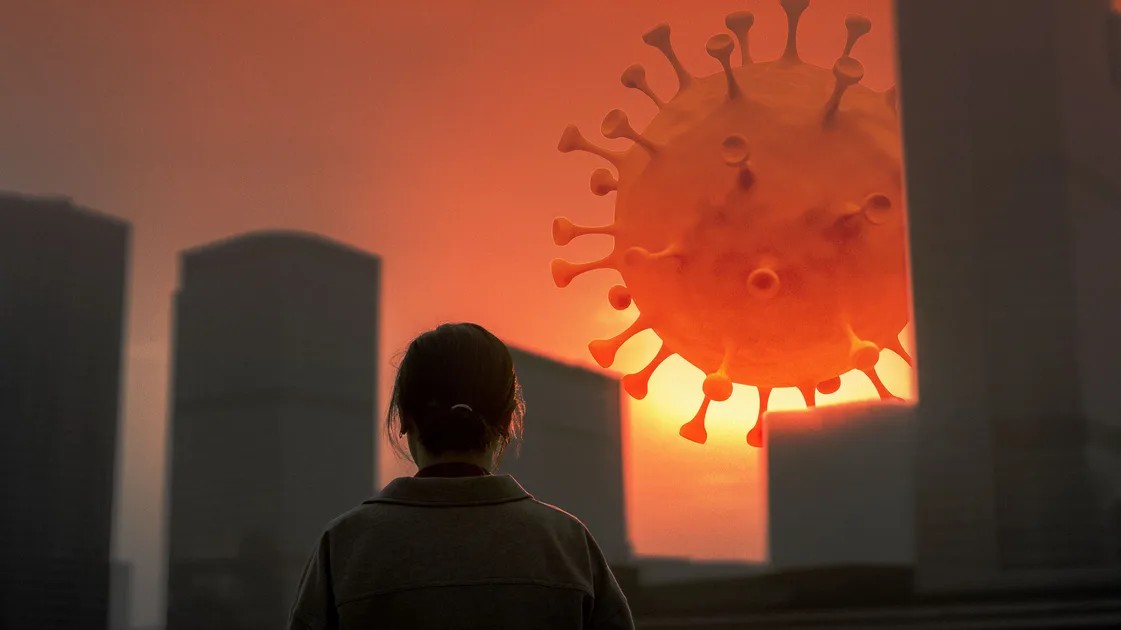
The sense that life was simply better before March 2020 is widespread, and experts say it’s not just nostalgia talking. While objective conditions haven’t necessarily worsened for everyone, the collective psychological toll of the pandemic continues to shape how we experience the world. This isn’t about rose-tinted glasses; it’s about a fundamental shift in our perception of safety, stability, and connection.
Зміст
The Unprocessed Grief
The COVID-19 pandemic wasn’t just a health crisis; it was a period of immense, widespread grief. Nearly 850,000 Americans died during 2020-2021 alone, often with families barred from hospitals and traditional mourning rituals disrupted. This has led to prolonged, complicated grief for many, where loss remains intensely present even years later. But the grief wasn’t limited to death. The pandemic also brought job losses, isolation, and the disruption of routines, creating a collective trauma that continues to resonate.
“Millions of people died worldwide, and even if you didn’t lose anyone personally, you’re still suffering from grief… because it isn’t just about who you’ve lost, but what you’ve lost.”
Trauma and the Erosion of Safety
The pandemic was inherently traumatic. The sudden shock of widespread death, economic instability, and fear created an overwhelming sense of vulnerability. Trauma doesn’t adhere to timelines. Even years later, the brain remains hyper-alert to danger, making it harder to feel safe. This changes how we interact with others, turning strangers into potential threats and the world into a more uncertain place.
The shift is further compounded by the fact that the pandemic didn’t have a clear end date. Even now, COVID persists, and long-term health consequences continue to affect millions. This prolonged uncertainty prevents the kind of closure that allows for true recovery.
The Rise in Mental Health Struggles
The pandemic triggered a significant surge in mental health issues. Anxiety and depression rates increased by 25% globally, and while these numbers are leveling off, the aftershocks remain. Pandemic-induced housing insecurity, job loss, and social isolation all contributed to this crisis, and many of those problems persist today.
The New Normal of Isolation
The pandemic accelerated a trend toward isolation. Remote work, online appointments, and digital entertainment have made it easier to disconnect from the physical world. This convenience comes at a cost: reduced social interaction, which is crucial for mental well-being. We now have infrastructure that promotes isolation, making it harder to return to pre-pandemic levels of social engagement.
A Distorted Sense of Stability
Our memories are selective. Before 2020, life wasn’t perfect; hardship, loss, and systemic problems existed. But the pre-pandemic world felt more stable because our brains associate it with predictability. The trauma of 2020 shattered that illusion, leaving us with a lingering sense of instability and vulnerability.
The idea of simply “going back to normal” is a myth. Something fundamental has shifted, and ignoring that reality only prolongs the discomfort. The world has changed, and our nervous systems are still adjusting.
To move forward, it’s crucial to acknowledge this ongoing trauma, seek support if needed, and intentionally rebuild connections with the world around us. Life may never feel exactly as it did before, but understanding the lingering effects of the pandemic is the first step toward finding a new sense of stability.