


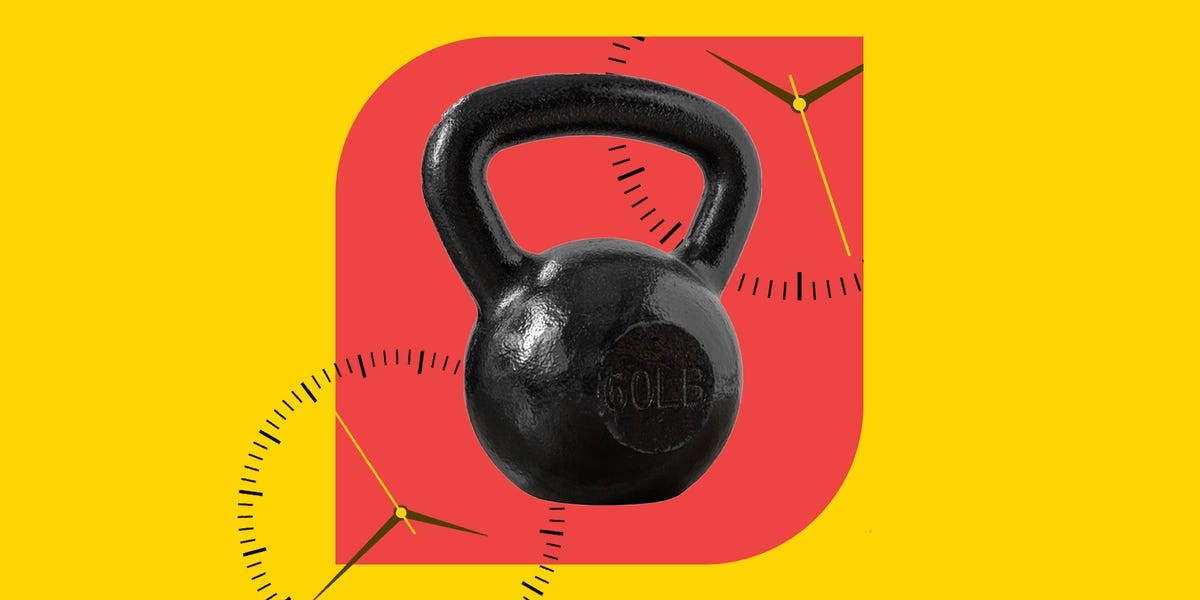
The debate over whether to eat before lifting weights is one of the most persistent in fitness. Should you maximize energy and recovery by fueling up, or tap into potential fat-burning benefits by training fasted? The answer, according to sports nutritionists, depends on your goals, workout intensity, and individual tolerance. For most lifters, going into a session hungry isn’t ideal, but strategic timing and food choices matter.
Зміст
The Case for Fueling Up
Energy and Performance: Consuming carbohydrates before lifting provides glycogen, the primary fuel source for muscles during intense activity. This helps maintain power output and prevents premature fatigue. Protein intake supports muscle repair and minimizes breakdown during training.
Reduced Risk: Working out on an empty stomach, especially at high intensity, can increase the risk of injury due to reduced mental focus and physical endurance.
Recovery: Pre-workout nutrition primes the body for faster recovery by providing immediate building blocks for muscle repair.
However, the ideal approach isn’t just about whether to eat, but when and what. A large meal immediately before lifting can cause digestive distress, as blood flow is diverted from muscles to the stomach. The goal is to optimize energy supply without compromising comfort.
When and What to Eat
Experts recommend consuming a meal three to four hours before training or a pre-workout snack within the last hour. Avoid high-fat foods close to your workout, as they digest slowly and can cause discomfort.
Here are some sample pre-workout snacks (approximately 200 calories, with 15-25g of protein and carbs):
- 5-8oz Greek yogurt with cereal or granola
- 1 cup cottage cheese with berries
- Two hard-boiled eggs with a piece of fruit
- Half an egg or tofu sandwich on toast
- String cheese with a handful of crackers
- One scoop of tuna with a rice cake
For early morning workouts, consider sipping on essential amino acids (EAAs) mixed with water to mitigate muscle breakdown while staying hydrated.
Fasted Lifting: When It Might Work
For certain lifters, training in a fasted state may offer benefits, primarily for fat loss. Research suggests that fasted resistance training can increase fat oxidation, meaning your body burns more fat for fuel. However, this approach carries a higher risk of muscle breakdown if not carefully managed.
If your goal is primarily fat loss and you tolerate it well, a lower-intensity or lower-volume fasted session may be effective. But always prioritize proper hydration and consider a post-workout protein-rich meal to minimize muscle loss.
The Bottom Line
For most strength training sessions, eating beforehand is the more effective route. Fueling up with the right carbohydrates and protein will maximize energy, performance, and recovery. While fasted lifting can be strategically used for fat loss, it requires careful consideration of intensity, volume, and individual tolerance. Ultimately, the best approach is the one that allows you to train safely and consistently while supporting your fitness goals.