



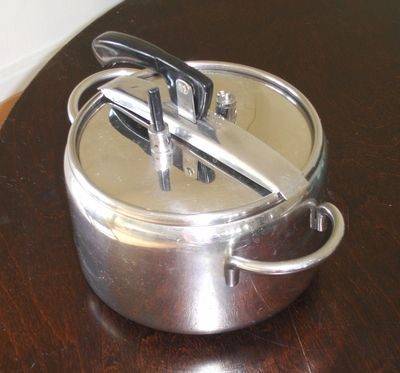
Denis Papin didn’t just invent a kitchen gadget in 1679. He created a hermetically sealed pot that changed how we cook. He called it Papin’s Digester. Today, we just call it a pressure cooker.
It works by trapping steam. That steam heats water until the internal temperature hits 266 °F. That is 130 °C. An ordinary saucepan maxes out way lower. The heat penetrates food faster. You get meals done quicker. The vitamins stay intact. The minerals remain. You lose none of the nutrition.
This matters if you live somewhere thin. Like the Rockies. Or the Andes. At high altitudes, air pressure drops. Water boils at a lower temperature. Your pasta takes forever. Your beans stay hard. A pressure cooker fixes this. It forces the boiling point back up. It alleviates the low-temperature boiling problem entirely.
Modern designs have come a long way. They aren’t just metal pots with lids. You get safety locks. Pressure regulators keep things stable. There are portable options for camping. Low-pressure fryers offer a different cooking method. All of them rely on that same basic principle: sealed steam, intense heat, fast results.
The Science Behind the Speed
Why does it cook so fast? It’s not magic. It’s physics.
In a normal pot, water boils at 212 °F at sea level. The steam escapes. The temperature can’t go higher. But seal that lid. Trap the steam. The pressure builds. The boiling point rises. The food cooks in that superheated environment.
This is how a pressure cooker saves time without sacrificing nutrition. Most cooking methods leach nutrients into boiling water. Here, there is minimal water. And the time is short. So the nutrients stay put.
Who Needs This Kitchen Tool?
If you cook for a family, it’s a lifesaver. Tough cuts of meat turn tender in minutes. Dry beans soften without soaking overnight. Grains cook in fractions of the usual time.
But it’s essential for high-altitude dwellers. Without one, you might boil water for hours and still not cook a potato properly. The reduced atmospheric pressure makes standard boiling ineffective above certain elevations.
Which type should you buy? The answer depends on your needs.
- Electric models are set-and-forget. Good for busy schedules.
- Stovetop models offer more control. Faster heating.
- Portable cookers are great for small spaces or travel.
- Low-pressure fryers might appeal if you want crispier textures without deep frying.
Safety First
The idea of an exploding pot sounds scary. That’s why modern innovations focus on safety. Safety locks prevent opening under pressure. Pressure regulators vent excess steam. These features make the appliance reliable.
Still, respect the machine. It’s powerful. It’s hot. It’s efficient.
Use it right. And you’ll wonder how you ever cooked without it. The steam rises. The timer ticks down. Dinner is ready.