German cuisine, often overlooked in favor of flashier international flavors, is quietly a cornerstone of hearty, soul-warming comfort food. As author Luisa Weiss notes in her new book, Classic German Cooking, the dishes are not about elegance but about nourishment – the kind of meals that fill you up on cold winter nights. Weiss’s recipes, from lentil soup with prunes to Swabian noodles with mountain cheese, are designed to be shared and savored, a direct extension of the warmth they provide.
The Power of Simple Flavors
Weiss’s latest work follows her successful Classic German Baking, expanding on the tradition of approachable, home-style recipes. Unlike the perceived refinement of French or Italian cooking, German food is direct: it doesn’t pretend to be something it isn’t. Instead, it offers straightforward, satisfying meals built on simple ingredients. This makes it ideal for both experienced cooks and those seeking an easy, reliable way to feed themselves and others.
A Recipe for Connection: Erbseneintopf (Thick Pea Stew)
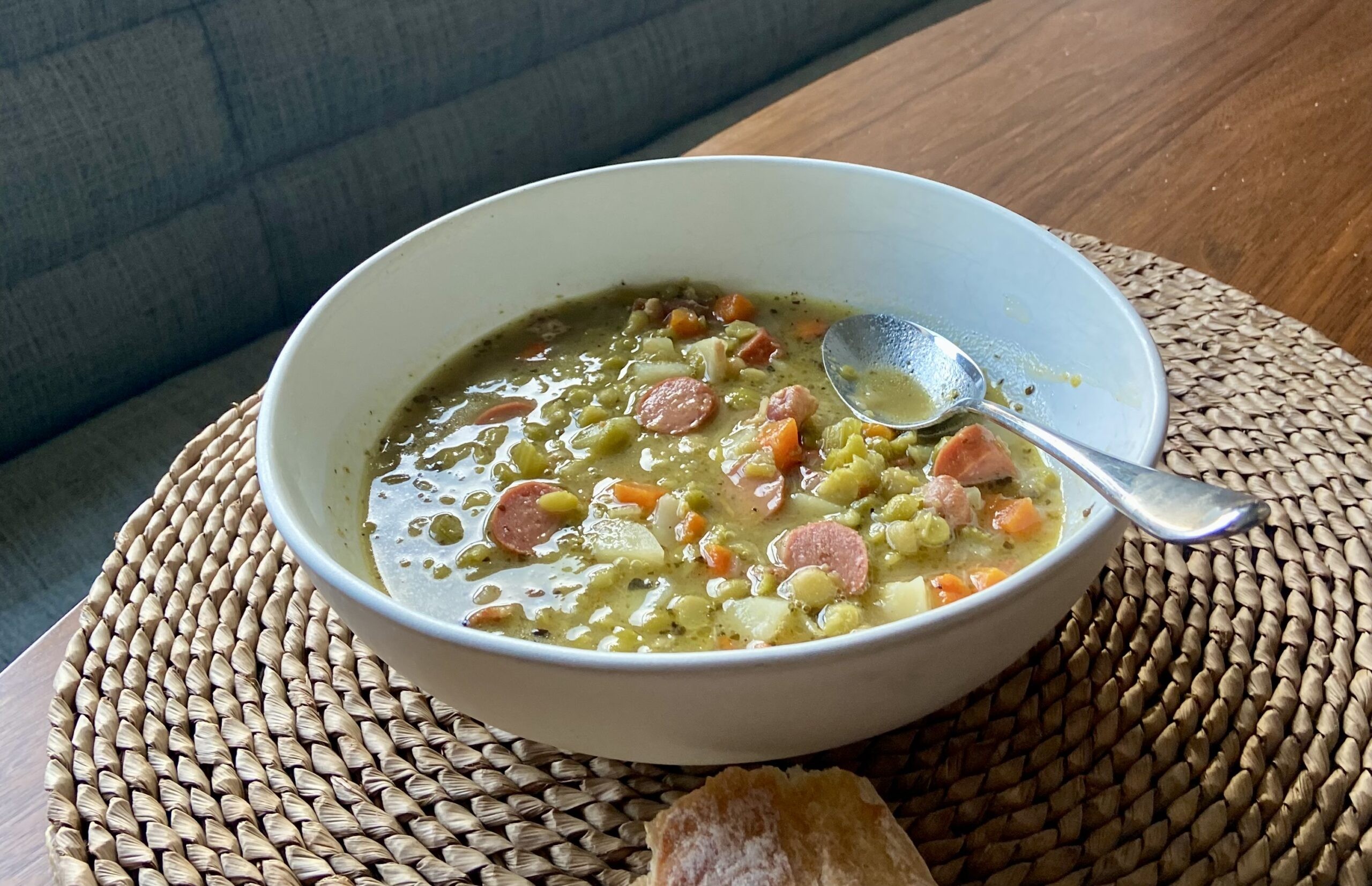
One standout recipe, Erbseneintopf (Thick Pea Stew), exemplifies this ethos. Originally a working-class staple in Berlin, the stew is thick, hearty, and meant to be eaten with crusty bread for scraping up every last drop. The recipe calls for Speck (bacon), leeks, split peas, and marjoram – ingredients that don’t demand artistry but instead combine to create a powerful, comforting flavor.
The stew’s history matters: Berlin’s working-class roots meant meals needed to be filling and affordable. Institutions like Aschinger’s, once famous for its cheap pea soup and free rolls, prove this point. Modern versions can use cured pork loin if Eisbein (salted pork knuckle) isn’t available. The key is richness and depth, achieved through slow cooking and simple additions like a forkful of sauerkraut for a tangy contrast.
Recipe: Thick Pea Stew (Erbseneintopf)
Serves 4
Ingredients:
- 3 Tbsp olive oil or vegetable oil
- 1 medium onion, finely chopped
- 1/3 cup (50g) minced Speck or lean bacon
- 1 leek, root and dark green part trimmed, chopped
- 1 medium carrot, peeled and diced
- 1-inch (2.5cm) thick slice of celery root, peeled and cut into small dice
- 2 tsp dried marjoram
- 1 tsp salt, plus more as needed
- Freshly ground black pepper
- 1 ½ cups (300g) dried split green peas
- 5 to 6 cups (1.1 to 1.4L) vegetable or chicken broth
- 3 medium waxy potatoes, like Yukon Gold, peeled and diced
- 4 Wiener Würstchen or hot dogs, cut into bite-size rounds
Instructions:
- Heat oil in a large pot over medium-high heat. Add onion and Speck; cook for 5 minutes. Add leek and cook for another 5 minutes.
- Add carrot and celery root; cook for 5 more minutes. Stir in marjoram, salt, and pepper.
- Pour in peas and broth. Bring to a boil, then reduce heat and simmer, covered, for 20 minutes.
- Add potatoes and cook for another 20 minutes until soft. Adjust seasoning as needed.
- Remove from heat and stir in the Würstchen. Serve hot with crusty rolls.
The true beauty of German cooking lies in its unpretentiousness: it’s about making something satisfying, warming, and deeply rooted in tradition.
This recipe isn’t about impressing anyone; it’s about providing nourishment and connection – a reminder that sometimes, the most comforting meals are the simplest ones.