




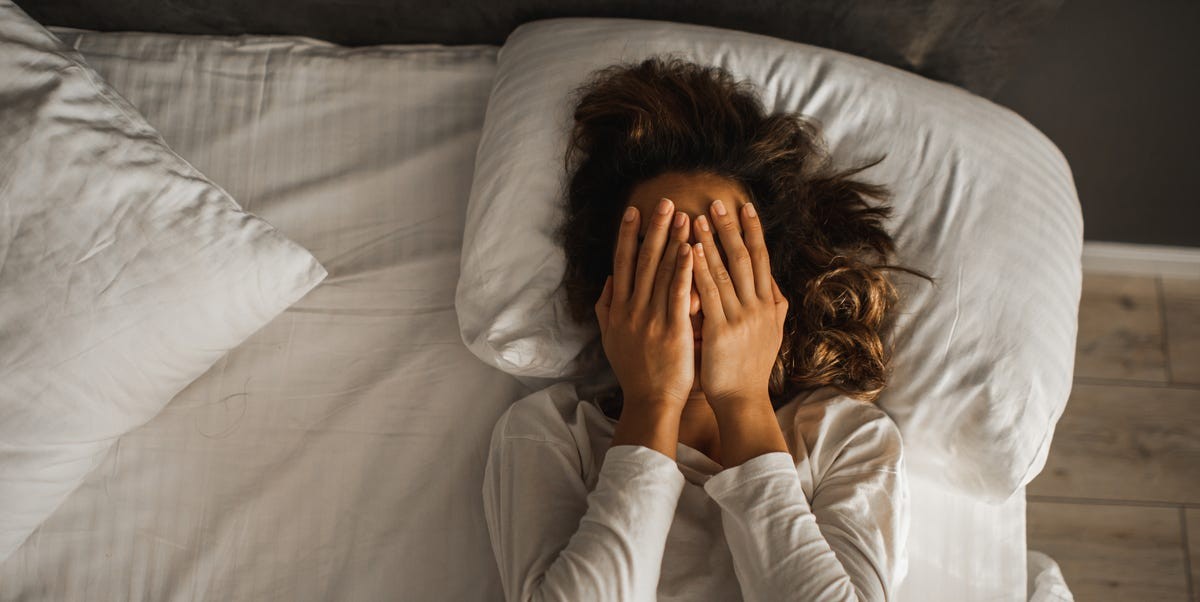
The rise of wearable health trackers has introduced a new, counterintuitive phenomenon: orthosomnia. This behavioral pattern emerges when individuals become obsessively focused on achieving “perfect” sleep data, rather than actually improving their rest. Coined in 2017 by researchers at the University of Utah, orthosomnia highlights how well-intentioned self-monitoring can backfire, turning a tool for wellness into a source of anxiety.
Зміст
The Paradox of Perfect Sleep
The term “orthosomnia” draws a parallel to “orthorexia,” an eating disorder characterized by an unhealthy obsession with “clean” eating. In both cases, an overemphasis on health metrics can worsen the underlying problem. Roughly one-third of Americans now use wearable trackers, constantly receiving data framed as a sleep “score.” These devices calculate time spent in REM and deep sleep, assigning a numerical value to restfulness.
However, the pursuit of a perfect score can be detrimental. Many people turn to trackers because they struggle with sleep; chasing a number can become a distraction from addressing the root causes of poor rest. As Dr. Ana C. Krieger of Weill Cornell Medicine explains, “It can feel easier to chase a number…than to actually investigate the problem.”
Why This Matters: The Anxiety Loop
The problem isn’t just about inaccurate data (though trackers are often inaccurate). It’s about the anxiety they induce. Sleep trackers trigger a feedback loop: poor data leads to stress, which then worsens sleep. Neurologist Dr. W. Christopher Winter notes that anxiety itself suppresses sleep, pushing people further away from rest instead of closer to it.
Furthermore, the metrics provided by these devices aren’t universally meaningful. There is no single “perfect” amount of REM or deep sleep. Individuals vary, and obsessing over arbitrary goals can be counterproductive.
Distinguishing Orthosomnia from Insomnia
While orthosomnia is driven by anxiety related to tracking, insomnia is a clinically defined sleep disorder involving difficulty falling or staying asleep. Someone with chronic insomnia experiences these symptoms frequently (at least three times a week for three months) and suffers daytime consequences like fatigue and impaired concentration. You can experience orthosomnia even without having underlying insomnia.
How to Break the Cycle
The experts offer several solutions:
- Take a Break: Disconnect from tracking to assess whether the device is truly helping or exacerbating your anxiety.
- Breathing Exercises: Calm your system with deep, controlled breathing (inhale for four, hold for seven, exhale for eight).
- Limit Time in Bed: Avoid spending excessive time trying to force sleep, as this can backfire. Stick to the recommended seven to nine hours.
- Optimize Your Environment: Ensure a cool, dark, and distraction-free bedroom.
- Consider Therapy: Cognitive Behavioral Therapy for Insomnia (CBTI) can provide structured strategies for improving sleep and managing perfectionistic tendencies.
Ultimately, obsessing over sleep data is often less helpful than addressing fundamental sleep hygiene. If you suspect a serious sleep disorder, consult a physician. The goal shouldn’t be to achieve a perfect score; it should be to get restful, restorative sleep.
The relentless pursuit of quantified sleep can ironically lead to sleeplessness. The key takeaway is that while technology can be helpful, it’s crucial to avoid letting it dictate your well-being.